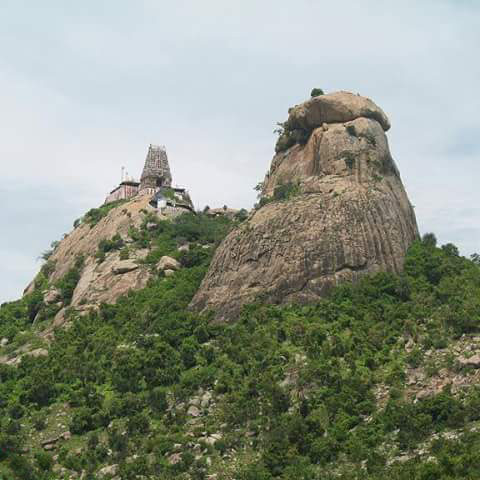
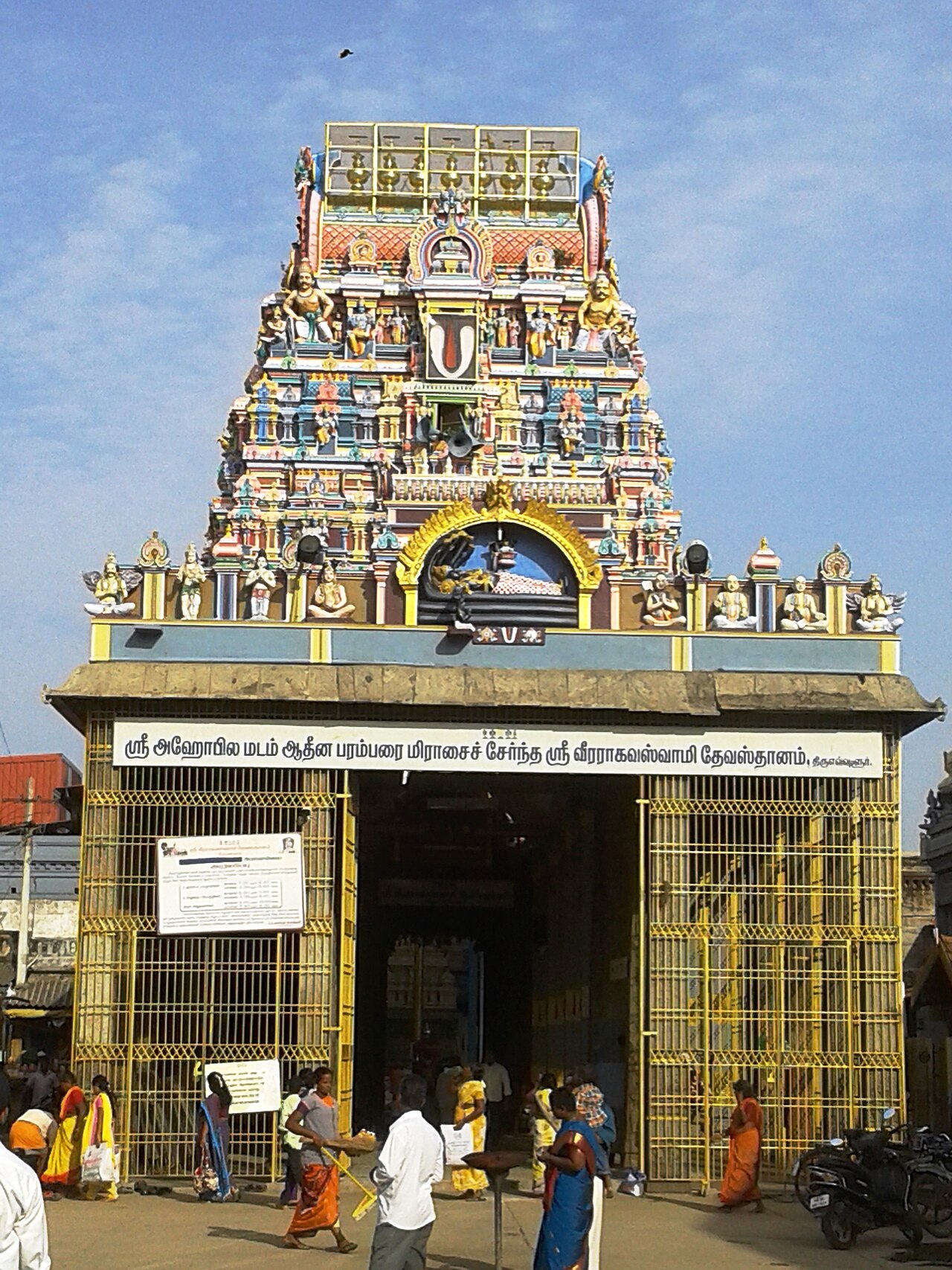
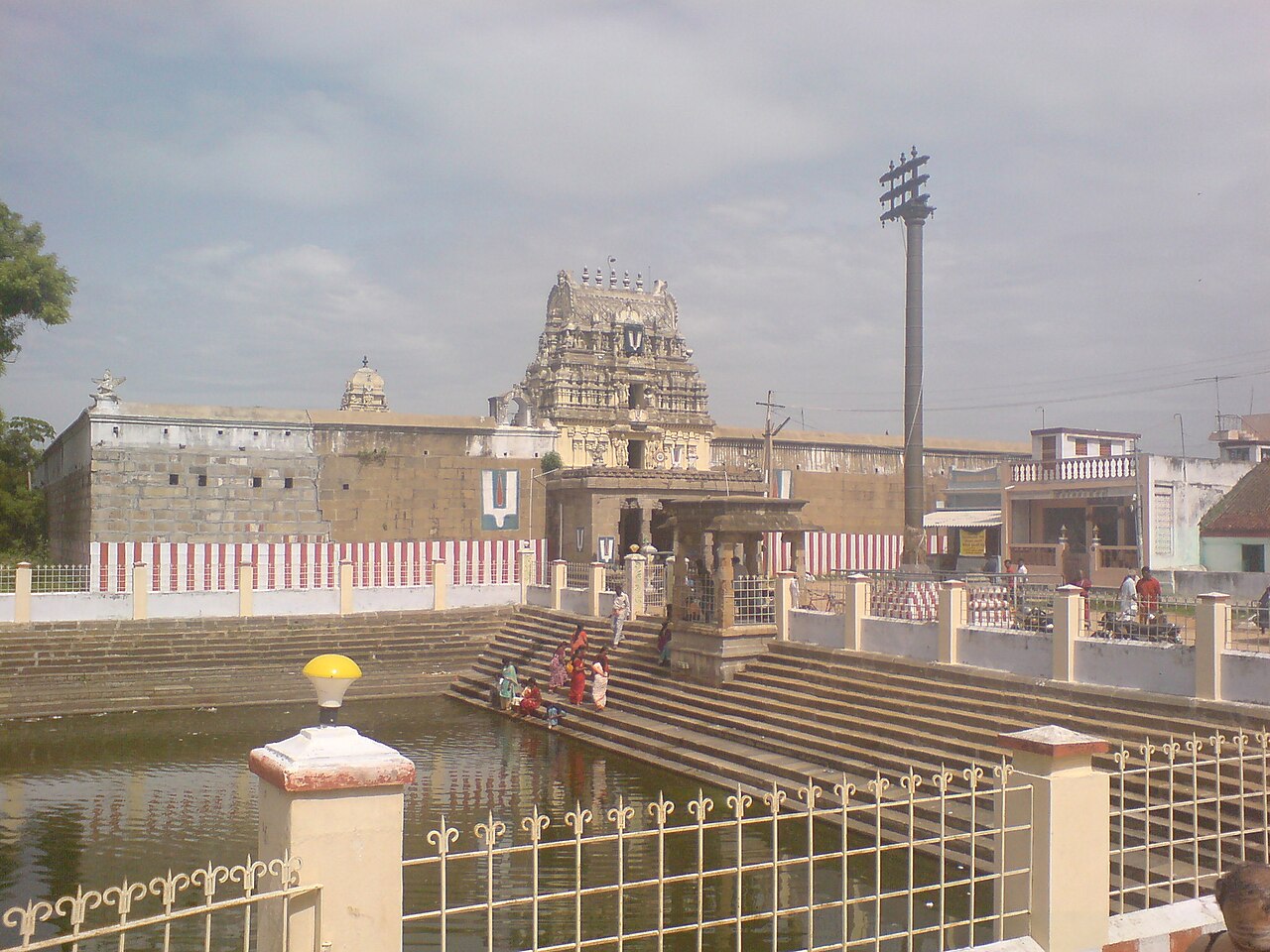
Tirumala / Tirupati (Venkateswara Temple)
Thiruvenkatam
Phanidharvaranasi · CC BY-SA 4.0 · source
After Srirangam, the Divya Desam with the most pasurams (202) and the most-visited Vaishnava pilgrimage site; one of the eight Swayamvyakta kshetras.
Sthala Purāṇam
Thiruvenkatam, the temple of Lord Venkateswara atop the Seshachalam (Venkatadri) hills at Tirumala, is the most visited of all Divya Desams. The self-manifest (swayambhu) Moolavar, Thiruvenkadamudayan, stands here as Srinivasa, also called Balaji and Govinda, with his consort Alarmel Mangai (Padmavati). The name Venkatam is traditionally explained as ven (sins) and katam (burning), the hill that destroys the sins of those who reach it. The sthala puranam recounts the Bhrigu episode, in which the sage kicked Vishnu's chest, prompting Mahalakshmi, dwelling there as Sri, to depart in displeasure to the earth; Vishnu followed her as Srinivasa and took residence on the Venkata hill. There he sought the hand of Padmavati, daughter of the local king Akasha Raja, and to fund the wedding he borrowed wealth from Kubera, a debt the Lord is said still to be repaying, which is why devotees offer riches into his hundi. The seven hills are likened to the seven hoods of Adisesha, and the hill itself is held to resemble Garuda. The principal tirtham is the Swami Pushkarini, with the Akasha Ganga, Papavinasanam, and Kumaradhara among other sacred waters, and the gold-plated sanctum tower is the Ananda Nilaya Vimanam. Worship follows the Vaikhanasa Agama. Among the Divya Desams it is uniquely glorified by the Mudhal Alvars (Poigai, Bhutham, Pey), Nammalvar, Thirumangai Alvar, Periyalvar, and others, who declared that in Kali Yuga liberation is attained by worshipping Venkata Nayaka.
Mangalāśāsanam — the Āḻvār pāsurams
The Lord Venkateswara (Srinivasa / Balaji) with Alarmel Mangai (Padmavathi) of Thiruvenkatam is glorified in 202 pāsurams by:
Thiruvenkatam (Tirumala-Tirupati, Lord Venkateswara/Srinivasa) is one of the most extensively glorified Divya Desams, sung by nearly all the Alvars — the three Mudhal Alvars (Poigai, Bhoothath, Pey in their Andhadhis), Thirumalisai, Nammalvar (notably the entire decad Thiruvaaymozhi 3.3 'ozhivil kAlam' and many other verses), Periyalvar, Andal, Kulasekhara, Thirumangai Alvar and Thiruppan/Thondaradippodi traditions — amounting to roughly 200+ pasurams (the project file records 202; some sources count around 211). The representative verse, Thiruvaaymozhi 3.3.1 (verse 3035), in which Nammalvar vows eternal, faultless service to the radiant Lord of Thiruvenkatam, is sourced verbatim above and corroborated by koyil.org's transliteration and commentary.
ஒழிவில்காலமெல்லாம் உடனாய்மன்னி வழுவிலா அடிமைசெய்யவேண்டும்நாம் தெழிகுரலருவித் திருவேங்கடத்து எழில்கொள்சோதி எந்தைதந்தைதந்தைக்கே.
ozhivil kAlam ellAm udanAy manni / vazhuvilA adimai seyya vENdum nAm / thezhikural aruvith thiruvEngadaththu / ezhilkoL sOdhi endhai thandhai thandhaikkE
For all time without break, ever united and inseparable with him, we must render faultless, complete service — to the radiant, beautiful Effulgence of Thiruvenkatam with its roaring cascades, who is the Lord of our clan, the father of our fathers' fathers.
More verses & references (1)
- Nammalvar's decad Thiruvaaymozhi 3.3 ('ozhivil') is wholly devoted to Thiruvenkatam, expressing his yearning to perform unceasing kainkaryam (service) to Thiruvenkatamudaiyan at all times, in all places and forms. — Nammalvar, Thiruvaaymozhi 3.3 · source ↗
Tamil text & meaning sourced from divyaprabandham.koyil.org and other Śrī Vaiṣṇava authorities — please cross-check the linked source for the canonical reading.
Read the pāsurams ↗Plan your visit
📍 13.68092, 79.35060
Routes, distances, hotels and restaurants open in Google Maps with live data. Build a phased pilgrimage plan →