Yoga Narasimha Temple, Thirukkadigai (Sholingur)
Thirukkadigai (Kadigachalam)
Ssriram mt · CC BY-SA 4.0 · source
Revered as a place where mental afflictions are cured; tradition holds that 24 minutes of sincere worship here confers moksha.
Sthala Purāṇam
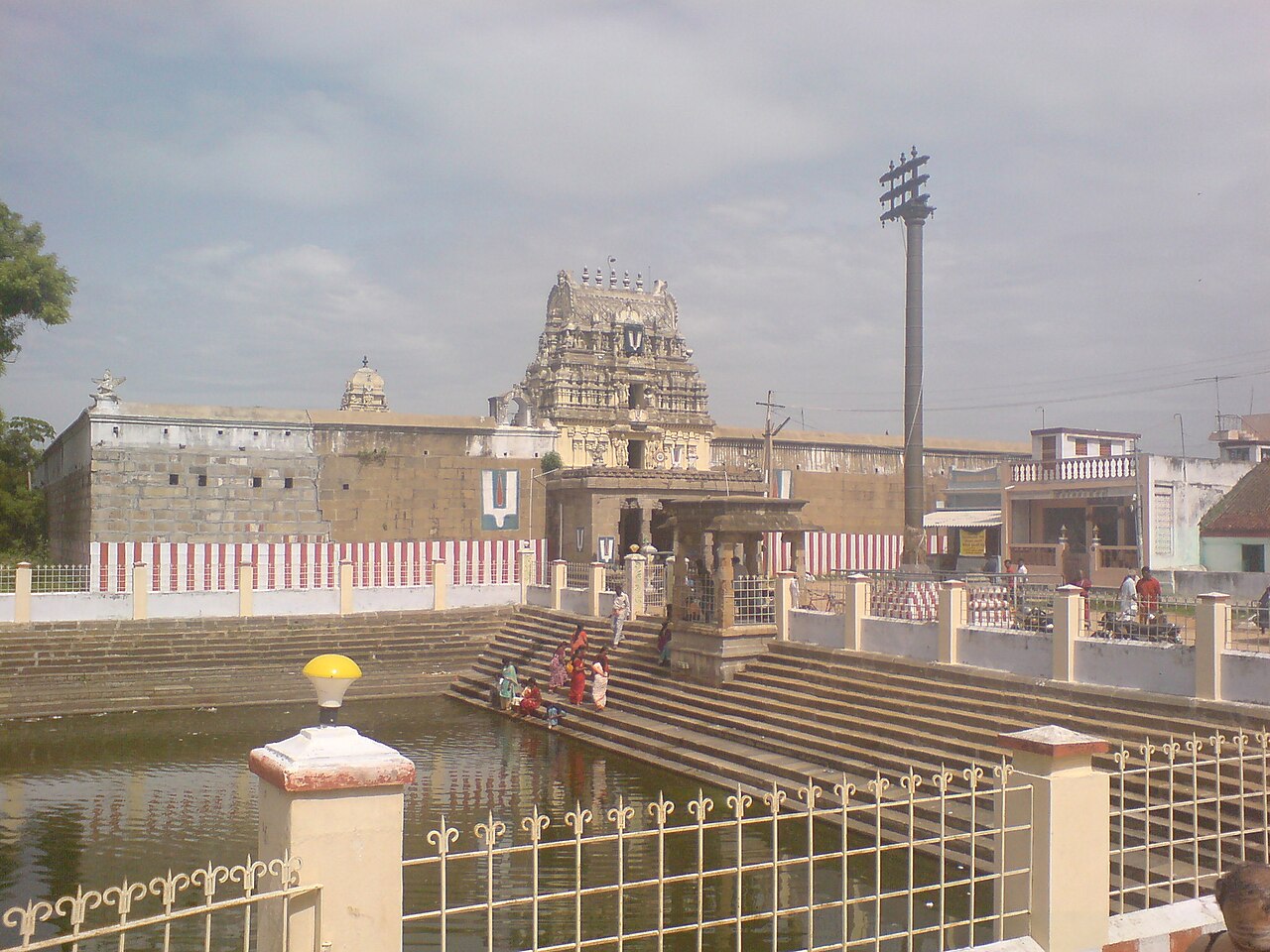
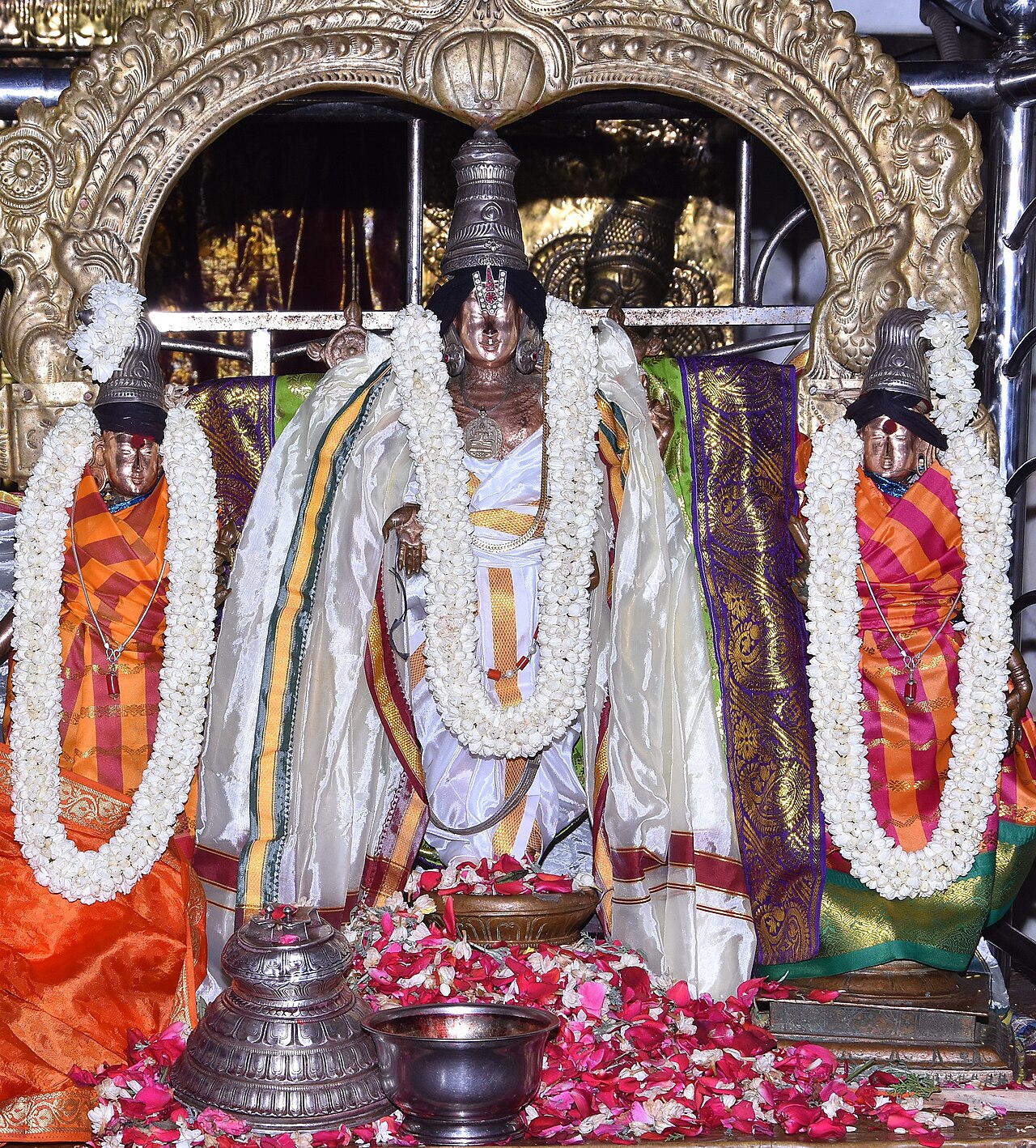
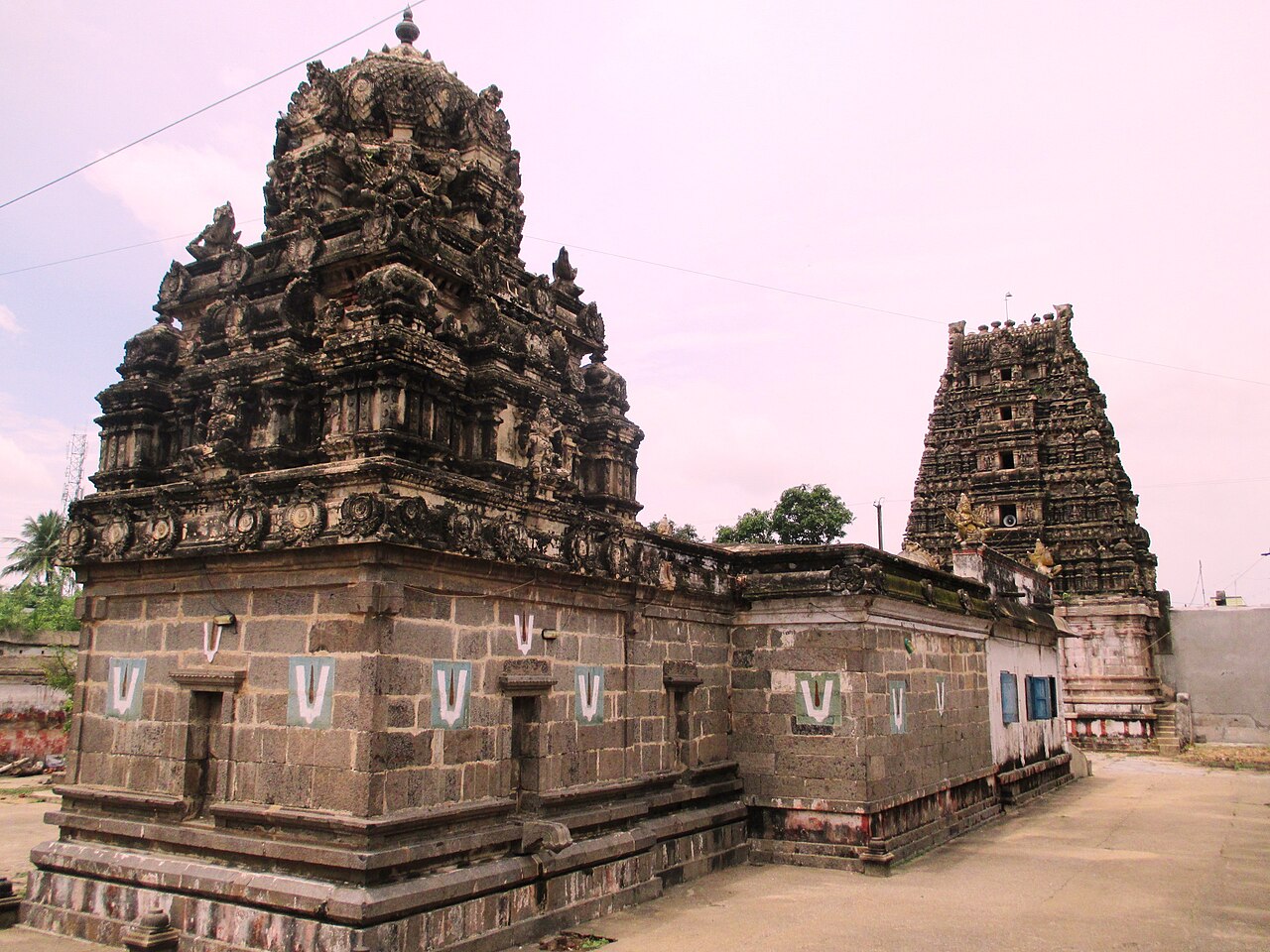
The Yoga Narasimha Temple at Sholingur, known as Thirukkadigai or Ghatikachalam, is a Divya Desam where Vishnu is worshipped as Yoga Narasimha atop the principal hill (periya malai), with his consort as Amruthavalli Thayar in a separate shrine. According to the sthala puranam, after Vishnu incarnated as Narasimha to slay the demon Hiranyakashipu, the Sapta Rishis performed penance here, and the Lord granted them his darshan as the serene Yoga Narasimha within a single kadigai, a measure of time of about twenty-four minutes (one nazhigai); from this episode the kshetra took the name Thirukkadigai or Ghatikachalam, ghatika meaning a span of time and achalam meaning hill. It is held that Lakshmi, Brahma, Vishvamitra, Budha, and Valmiki worshipped here; sage Vishvamitra is especially said to have attained the rank of Brahmarishi at this place. Devotees believe that worshipping the Lord here for twenty-four minutes frees one of sins. On the smaller adjacent hill (chinna malai), Hanuman is enshrined as Yoga Anjaneya, facing Narasimha in a rare four-armed seated form bearing the conch and discus, for Narasimha is said to have asked him to remain and protect his devotees. The temple is revered in the Naalayira Divya Prabandham, with pasurams by Thirumangai Alvar and Pey Alvar. The temple tank is the Brahma Theertham, linked to Brahma's penance, and the sanctum tower is the Hemakoti Vimanam.
Mangalāśāsanam — the Āḻvār pāsurams
The Lord Yoga Narasimha (Lakshmi Narasimhar) with Amruthavalli Thayar of Thirukkadigai (Kadigachalam) is glorified in 4 pāsurams by:
Thirukkadigai (Kadigachalam / Sholingur, Ranipet district) is a Thondai Nadu Divya Desam where Vishnu is worshipped as Yoga Narasimha (Lakshmi Narasimha) atop the hill. The name derives from 'kadigai' (24 minutes), the time devotees believe is enough here to attain moksha. Its Mangalasasanam comprises four pasurams: Thirumangai Alvar three and Pey Alvar one. The hymns glorify Narasimha who, in a moment, granted darshan and liberation to Prahlada and the sapta-rishis.
கண்ணார் கண்ணபுரம் கடிகை கடிகமழும் தண்ணார் தாமரைசூழ் தலைச்சங்க மேல்திசையுள் விண்ணோர் நாண்மதியை விரிகின்ற வெஞ்சுடரை கண்ணாரக் கண்டுகொண்டு களிக்கின்றதிங் கென்றுகொலோ.
kaṇṇār kaṇṇapuram kaṭikai kaṭikamaḻum taṇṇār tāmaraicūḻ talaiccaṅka mēlticaiyuḷ viṇṇōr nāṇmatiyai virikiṉṟa veñcuṭarai kaṇṇārak kaṇṭukoṇṭu kaḷikkiṉṟatiṅ keṉṟukolō.
He who dwells in beautiful Thirukkannapuram and in Kadigai (Thirukkadigai), and to the west of Talaichangam that is surrounded by fragrant cool lotus-filled waters — He who is the fresh moon of the celestials and the blazing radiant light: when, oh when, shall I behold Him to my heart’s content and rejoice here?
More verses & references (2)
- Thirumangai Alvar, in three pasurams, performs Mangalasasanam to the Yoga Narasimha of Thirukkadigai (Kadigachalam), the hill-Lord who liberates devotees swiftly. Exact Tamil verse text and decade reference not confidently sourced. — Thirumangai Alvar, Periya Thirumozhi · source ↗
- Pey Alvar contributes one pasuram glorifying the Narasimha of Kadigachalam. Exact Tamil verse text not confidently sourced. — Peyalvar, Moonram Thiruvandhadhi (Pey Alvar) · source ↗
Tamil text & meaning sourced from divyaprabandham.koyil.org and other Śrī Vaiṣṇava authorities — please cross-check the linked source for the canonical reading.
Read the pāsurams ↗Gallery
.JPG)
.JPG)
.JPG)
.JPG)
Tap an image to view it larger — use ‹ › to browse, ✕ to close. Images via Wikimedia Commons.
Plan your visit
📍 13.08850, 79.41840
Routes, distances, hotels and restaurants open in Google Maps with live data. Build a phased pilgrimage plan →